
Embracing Sustainable Living: A Cultural Shift Towards Healthier Lifestyles |
How personalized spaces and mindful choices are redefining modern living |
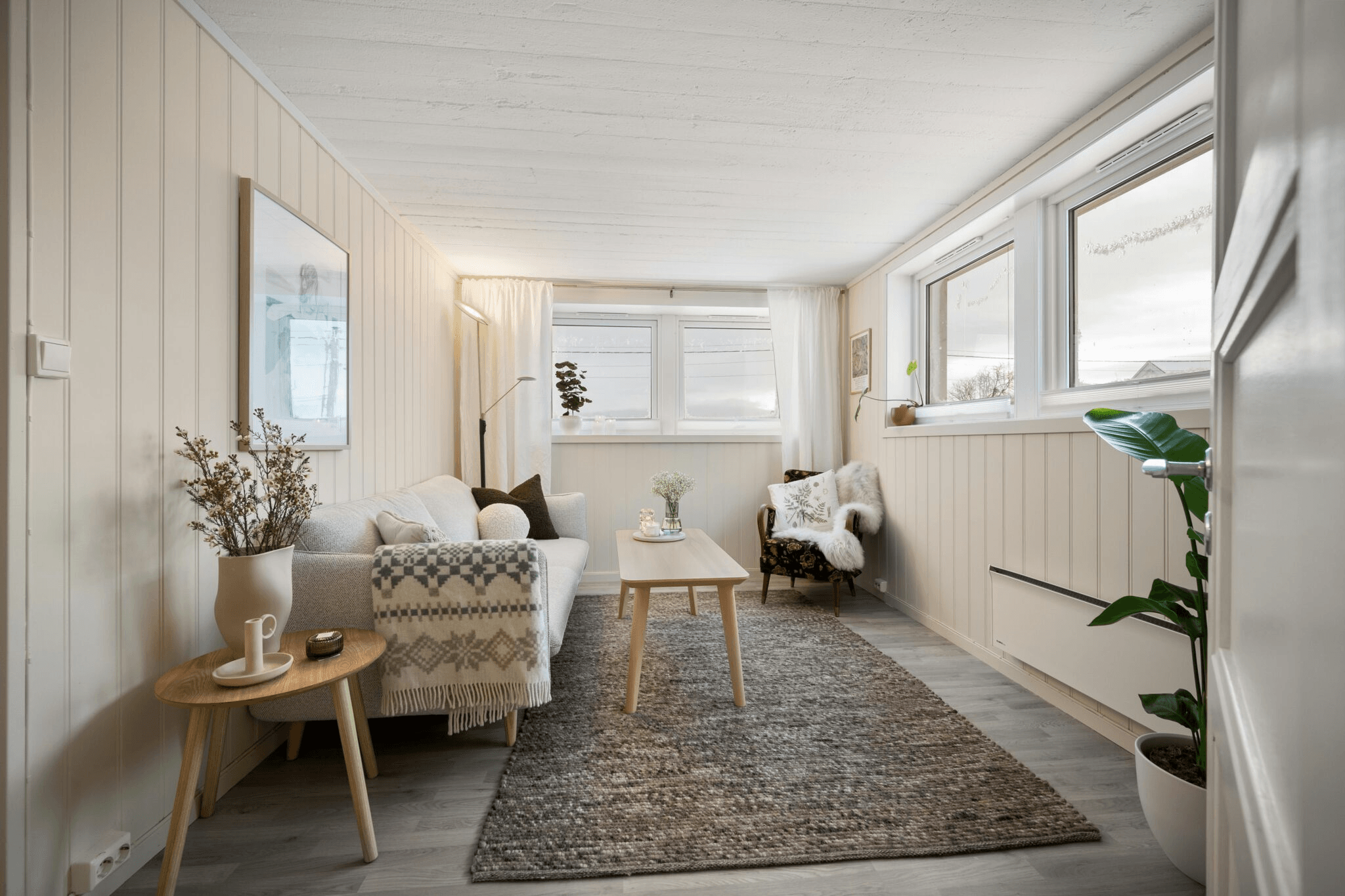
In recent years, a significant cultural shift has emerged, emphasizing sustainable living and healthy lifestyles.
This movement reflects a collective desire to create living environments that not only express individuality but also promote well-being and environmental responsibility.
Personalized Living Spaces
Home design is increasingly focusing on personalization, moving away from mass-produced aesthetics.
Individuals are curating spaces that reflect their unique identities and values.
This trend aligns with the concept of "slow decorating," which emphasizes sustainability and intentionality in home decor.
By upcycling heirlooms and investing in durable, meaningful pieces, homeowners are creating environments that resonate personally and reduce environmental impact.
Integration of Nature
Incorporating natural elements into living spaces has become a cornerstone of sustainable design.
Practices like foodscaping, which blends edible plants with ornamental ones, are gaining popularity.
This approach not only enhances aesthetic appeal but also promotes biodiversity and reduces food miles.
Similarly, biophilic design principles, such as green roofs and living walls, are being adopted to improve air quality and foster a connection with nature.
Technological Advancements
Technology plays a pivotal role in supporting sustainable living.
Energy-efficient appliances, smart home systems, and renewable energy solutions like solar panels are becoming more accessible.
These innovations enable homeowners to monitor and reduce their environmental footprint effectively.
Additionally, digital tools facilitate the design of personalized, eco-friendly living spaces that align with individual preferences and sustainability goals.
Economic Considerations
The rising cost of living has influenced spending habits, particularly among younger generations.
Research indicates that Gen Z and Millennials are prioritizing expenditures on healthy food over non-essentials like streaming services.
This shift underscores a broader commitment to health and sustainability, reflecting a preference for quality and well-being over material possessions.
Cultural Implications
The move towards sustainable living signifies a deeper cultural evolution.
It highlights a growing autonomy and appreciation for diversity, as individuals craft spaces that tell their unique stories.
This trend fosters a sense of belonging and encourages cultural exchanges, enriching communities with varied perspectives and practices.
Conclusion
The emphasis on sustainable living and personalized spaces marks a profound transformation in modern lifestyles.
As society continues to value distinctiveness and environmental responsibility, this trend is likely to persist, shaping a future where homes are not only reflections of personal identity but also bastions of health and sustainability. |
0 Comments
Join the conversation
Be the first to comment
Share your thoughts above.