
2026 Reset: Embracing Protein-Rich Diets for Optimal Health |
New dietary guidelines and consumer trends highlight the importance of protein intake |
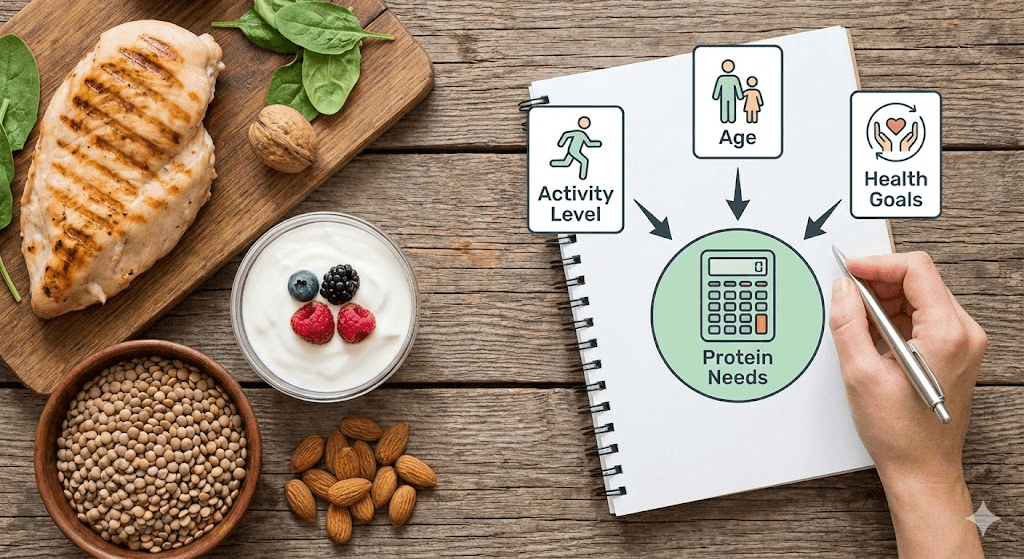
In 2026, the conversation around optimal eating routines has shifted significantly, with a renewed focus on protein as a cornerstone of health.
Recent U.S. dietary guidelines now recommend increasing daily protein intake to 1.2 to 1.6 grams per kilogram of body weight, nearly doubling previous recommendations.
Health Secretary Robert F. Kennedy Jr. emphasized the need to "prioritize protein at every meal," particularly from animal sources like red meat and whole milk.
However, some nutrition experts express concern, noting that many Americans already consume adequate protein and cautioning against potential risks of excessive intake.
Despite these debates, consumer behavior reflects a growing preference for protein-rich diets.
A 2025 report revealed that 61% of Americans increased their protein consumption in 2024, up from 48% in 2019.
This surge is driven by the desire for better taste, health benefits, and nutritional value.
Animal proteins, including beef, chicken, and eggs, remain popular due to their versatility and nutrient density.
In response to this demand, the food industry has introduced a variety of high-protein snacks, such as protein-fortified chips, shakes, and bars, catering to consumers seeking convenient, guilt-free options.
As individuals reassess their dietary habits in 2026, incorporating balanced protein sources—ranging from lean meats and eggs to plant-based alternatives—can support overall health and wellness.
It's essential to tailor protein intake to personal health goals and consult with healthcare professionals to ensure nutritional needs are met effectively. |
0 Comments
Join the conversation
Be the first to comment
Share your thoughts above.